| © Copyright Robert Cole 2015
- No copying or distributing - SUE-BIZEN - Bizen Sukesada |


|
|
The SENGOKU Era

When one talks of SUE-BIZEN, one talks of that that was before
the SENGOKU - and the SENGOKU.
From the relative peace of the BUN-MEI, the SENGOKU arose from about 1490 to a crescendo in the mid/late 1500s. ODA NOBUNAGA solidified an amorphous social and military fabric, crushing and starving fragmenting alliances to unify the country through the 1560s and '70s. His life and those of his times would power one of the great periods of Japanese history. See SENGOKU The SENGOKU, in turn, would earn for swords their lowest period in history. However, this dark reputation is only a numbers game. Always look at the sword for its truth. The great pieces of the SENGOKU, in their style, equal the great of any era. |
Important Names: SAKYOnoSHIN MUNEMITSU UKYOnoSUKE KATSUMITSU JIROZAEMON KATSUMITSU HIKOBEI TADAMITSU GOROZAEMON KIYOMITSU GENBEI SUKESADA - see below YOSAZAEMON SUKESADA - see below |
|
HIKOBEI Group |
 Date Masamune's Yosazaemon |
Hikobei
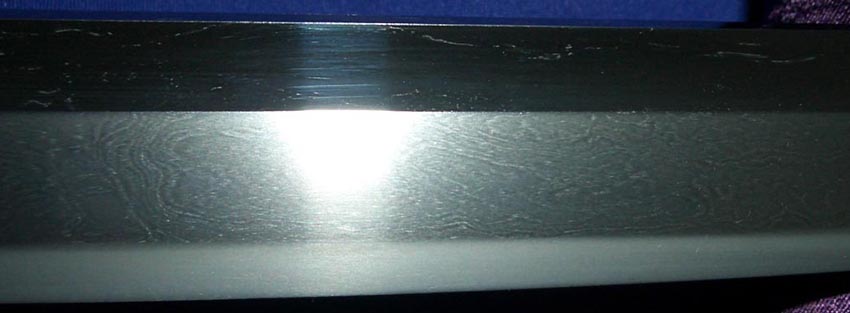
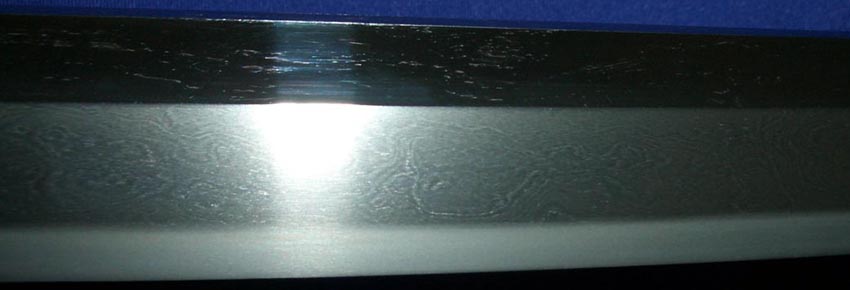
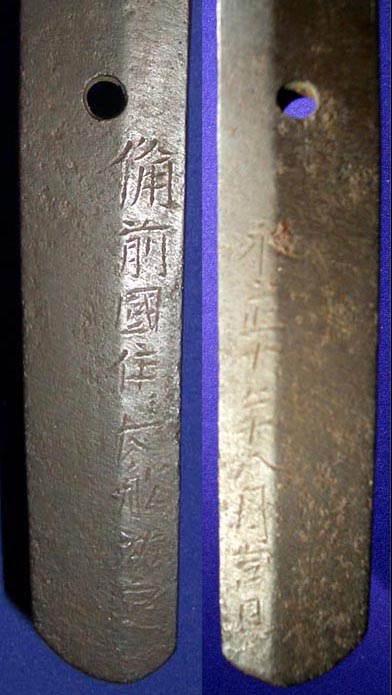
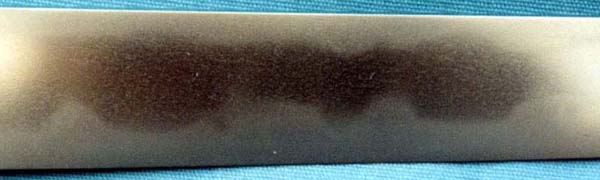
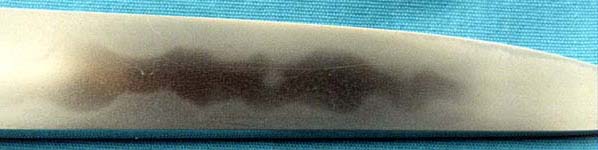
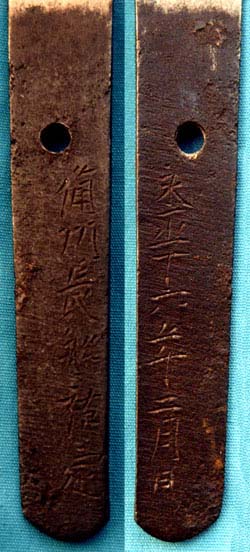
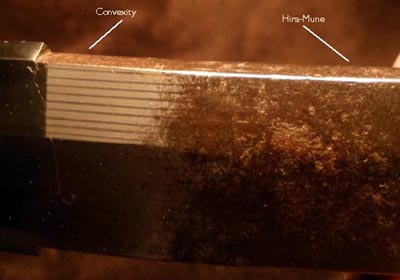
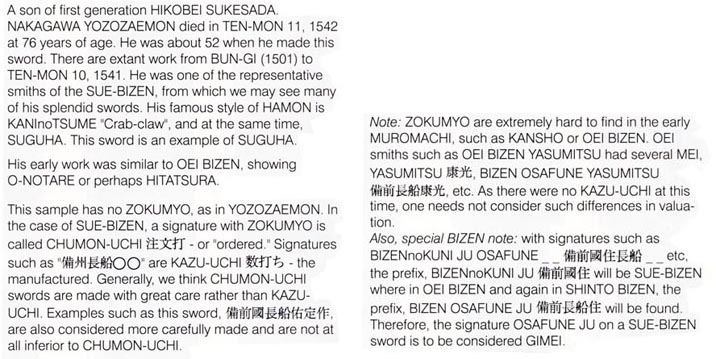
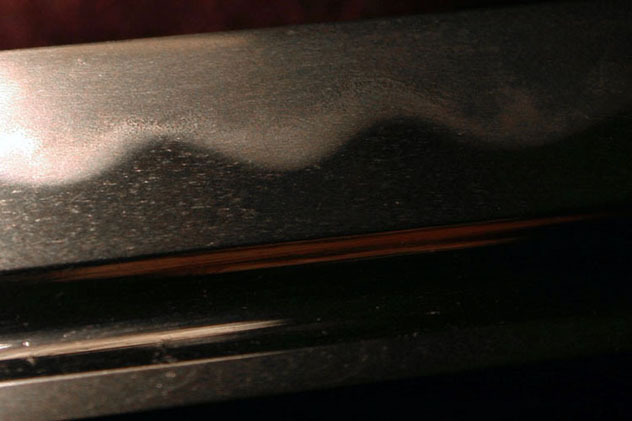
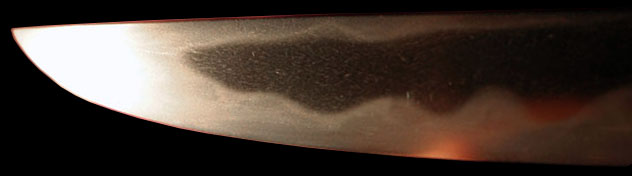
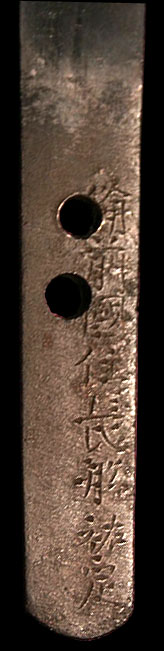
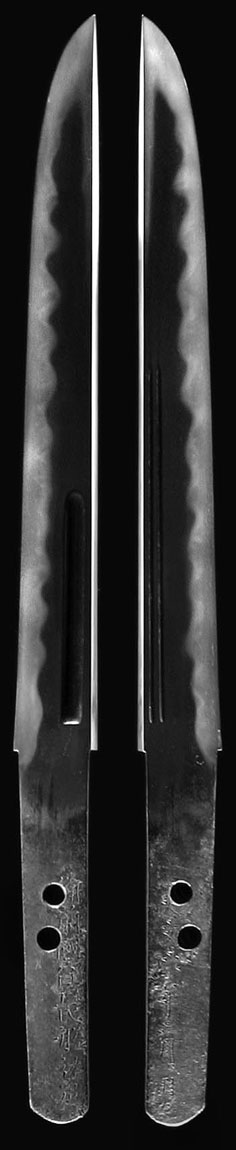
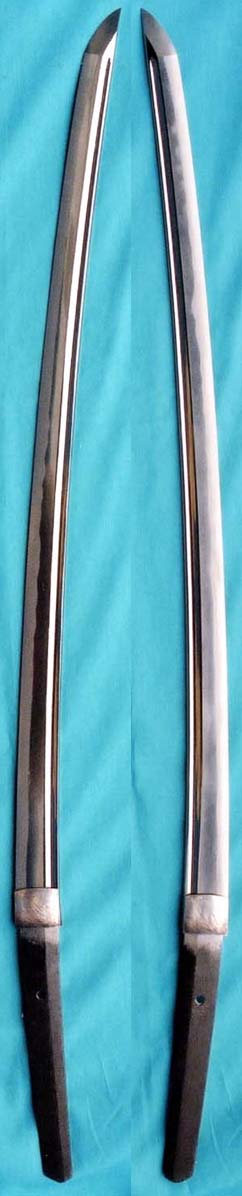
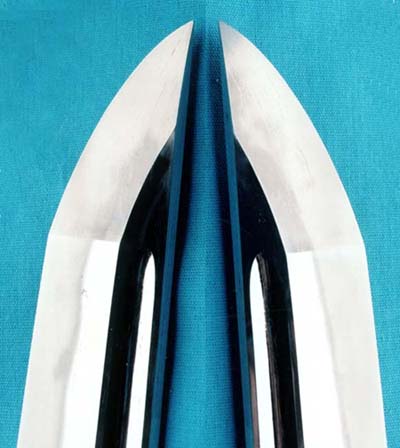
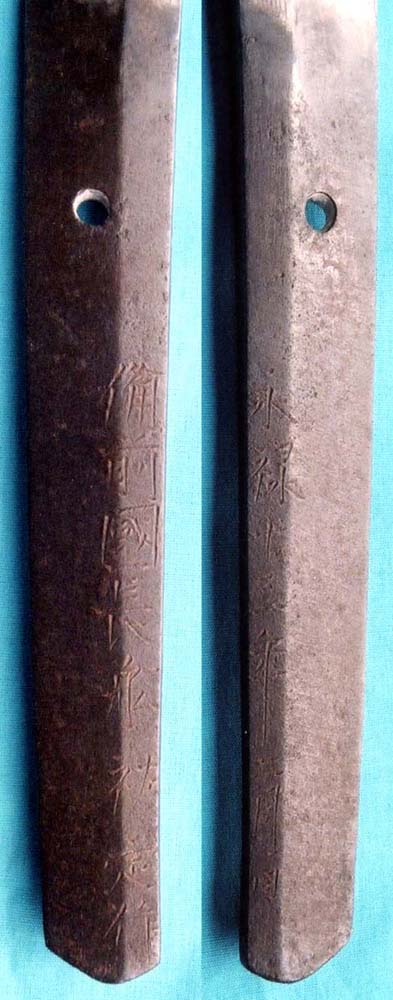
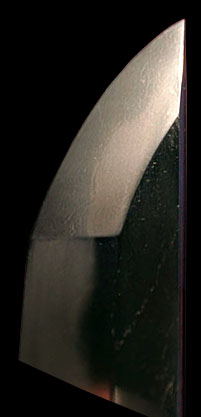
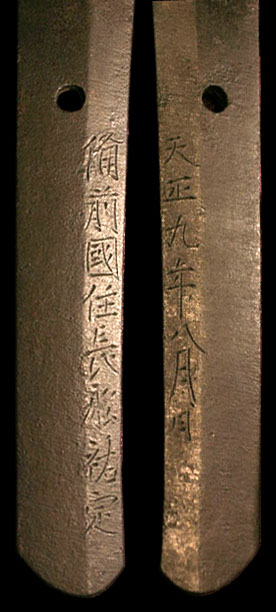
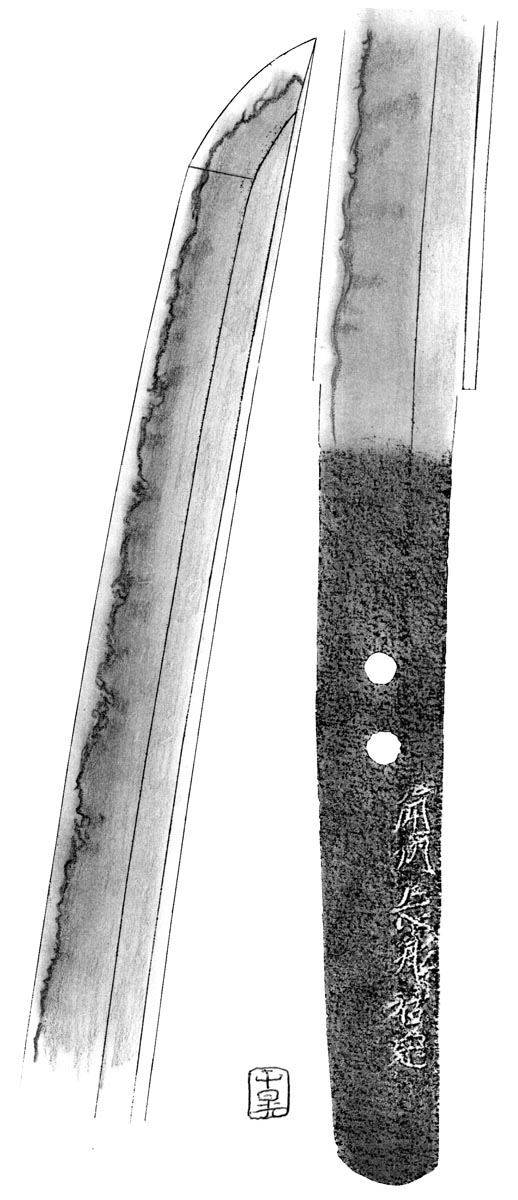
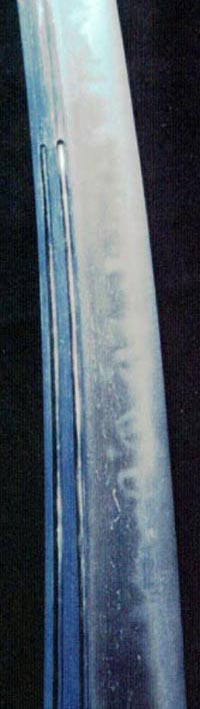
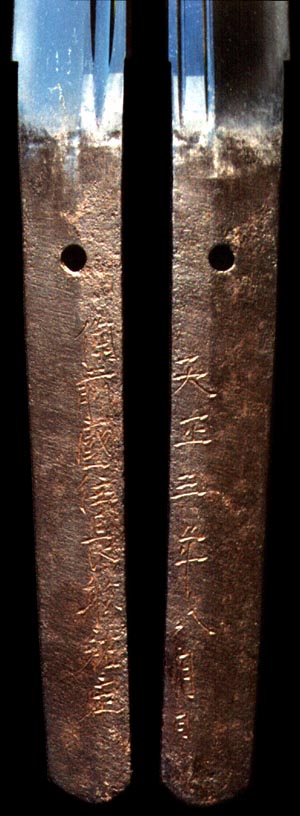
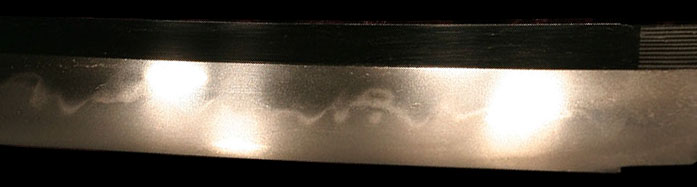
Sukesada Katateuchi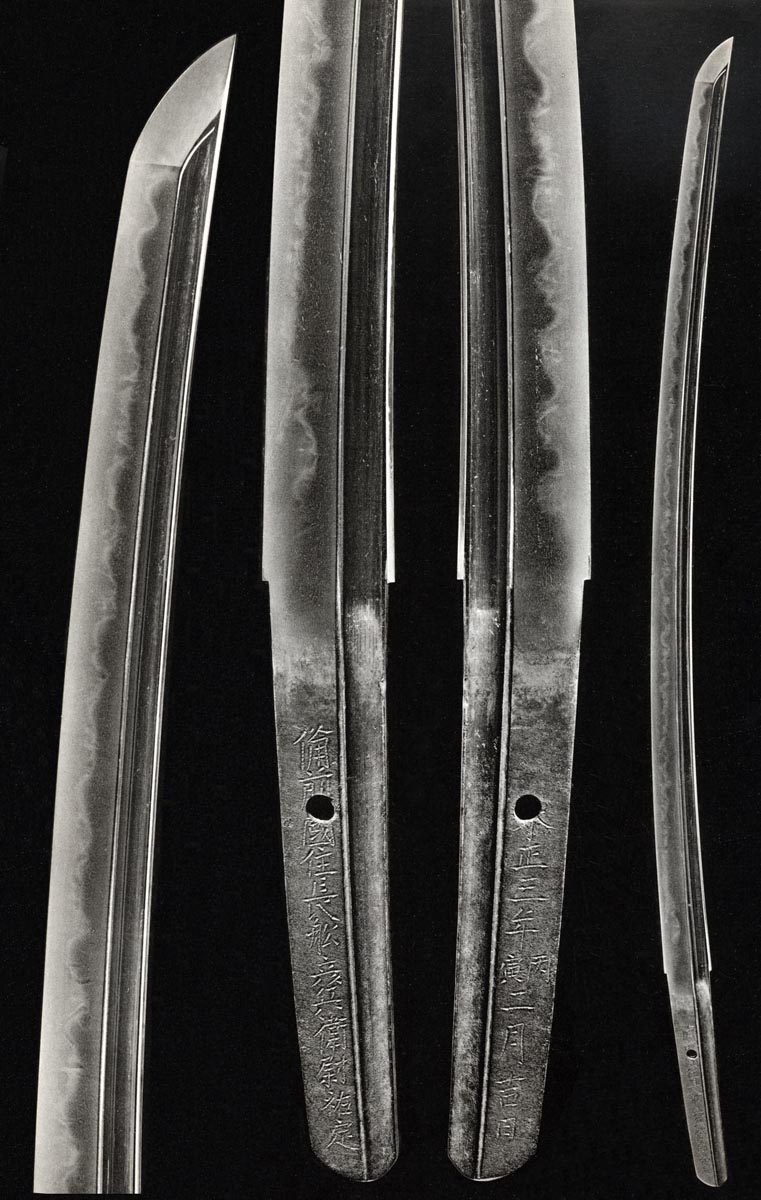 Hikobei Sukesada Katateuchi Nagasa: 2 Shaku 4 Bu (61.81cm) Sori: 7 Bu (2.12cm) Motohaba: 1 Sun (3.03cm) Saki-haba: 6 Bu 6 Rin (2cm) Kissaki-Nagasa: 1 Sun 7 Rin (4.15cm) Moto-kasane: 2 Bu 9 Rin (0.88cm) Saki-kasane: 1 Bu 8 Rin (0.55) Nakago: 4 Sun 7 Bu (14.24cm) Shinogi-tsukuri-Ihori-mune Koshizori Katateuchi going Sakizori to Chu-Kissaki. Bo-Hi So-bi walk together. Ko-Itame Hada with thin of JiNie. Kani Tsume fights the restraint of Yamagata Gunome mounds, evenly marching up the Ha. Nioi-Fukashi and Ko-Nie shroud an abundance of Ko-Ashi and Yo. Kinsuji and Sunagashi streak through the grain. Midare-Komi fills the Boshi, becoming deep on Ura. Ubu Nakago with one Mekugi-ana and signed: Bizen-no-Kuni Ju Osafune Hikobei-no-Jo Sukesada Ei-Sho Sannen Hin-no-e Tora Ni-Gatsu KichiNichi 1506 Year of the Tiger |
 |
Ei-Sho
Sukesada Katateuchi
|
Yosazaemon Group |
|
|
Yosazaemon
Sukesada Katateuchi - Juyo Bunkazai
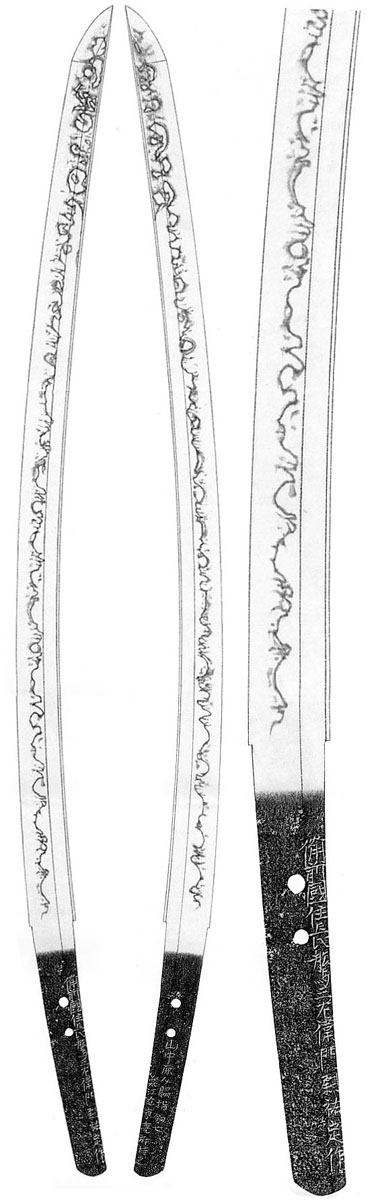
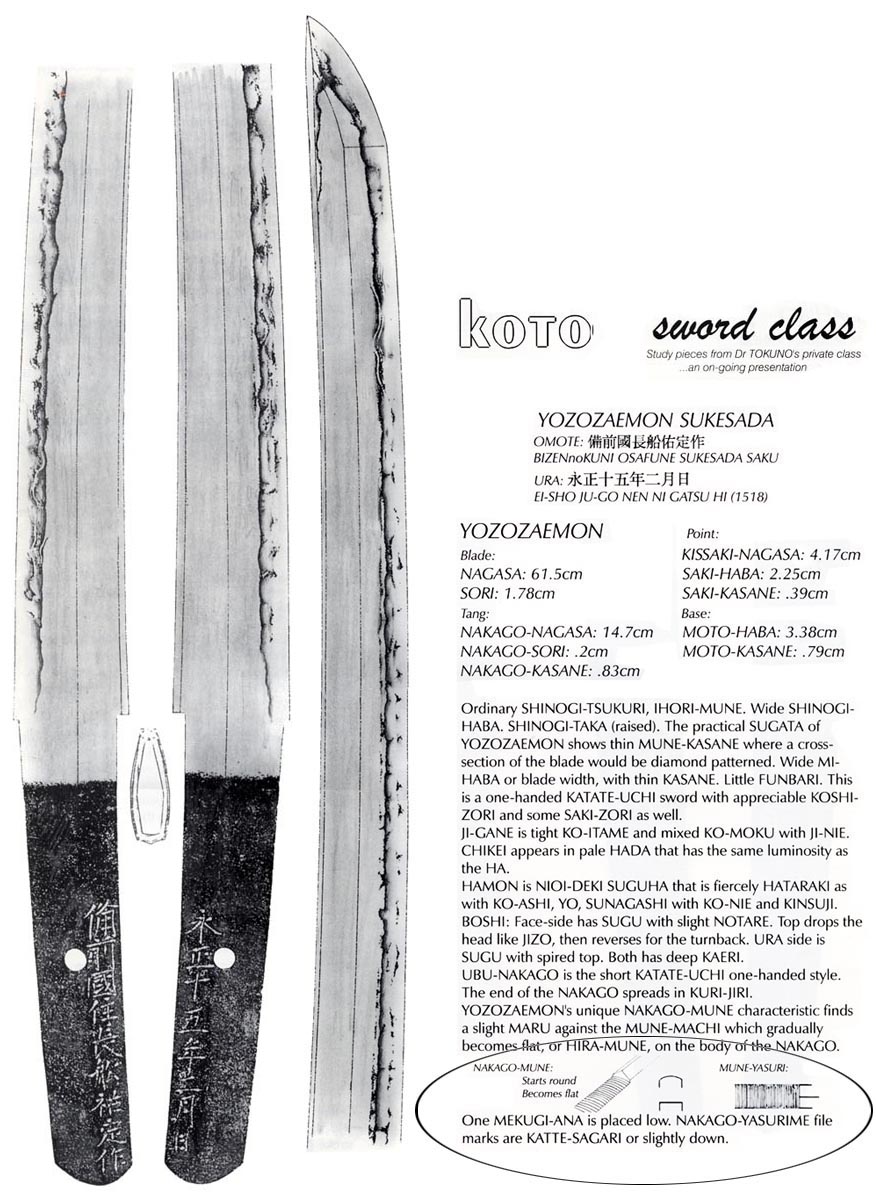
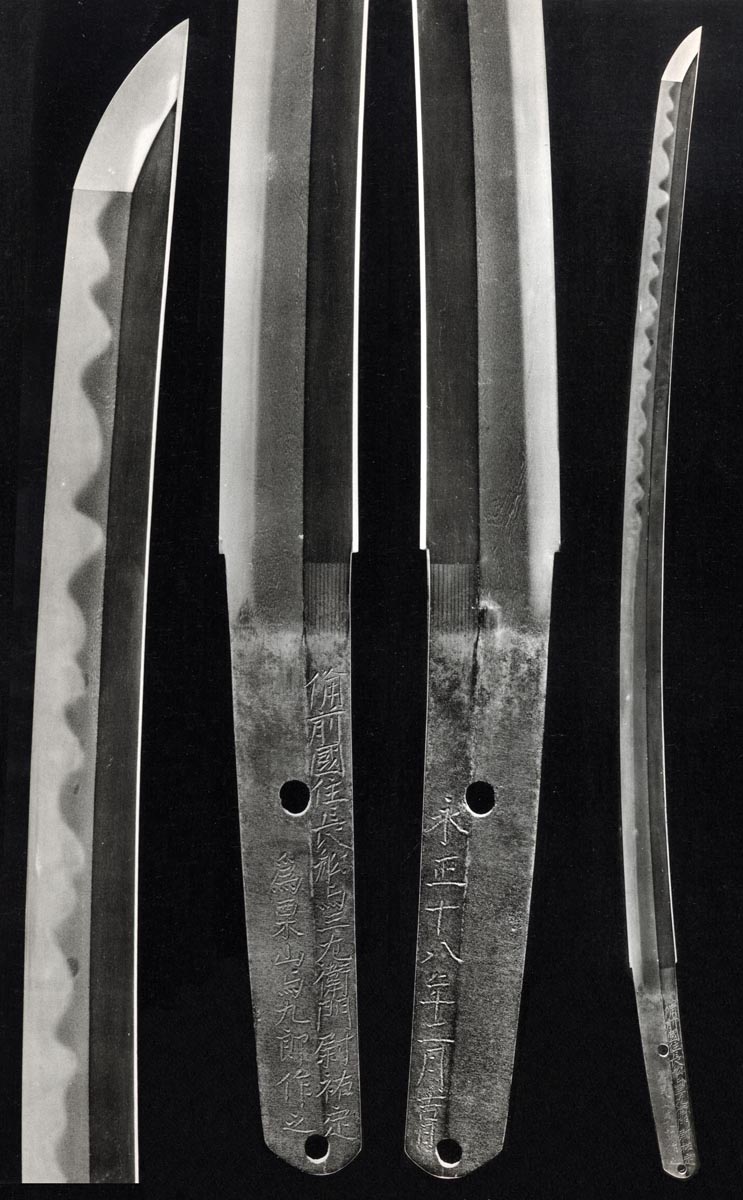 Yosazaemon Sukesada Katateuchi Nagasa: 2 Shaku 1 Sun 4 Bu (64.84cm) Sori: 6 Bu 2 Rin (1.88cm) Motohaba: 1 Sun 5 Rin (3.18cm) Saki-haba: 7 Bu 8 Rin (2.36cm) Kissaki-Nagasa: 1 Sun 4 Bu (4.24cm) Moto-kasane: 2 Bu (0.61cm) Saki-kasane: 1 Bu 6 Rin (0.48) Nakago: 4 Sun 9 Bu (14.85cm) Shinogi-tsukuri, Ihori-mune, Sakizori to Chu-Kissaki. Itame Hada has JiNie. Johan, first-half in Bizen Koshi-Hiraki Gunome with Tobi-yaki tossed in high-waving mounds to the Ji. Kahan, lower-half: A great Hiro-Suguha flows smoothly to the Machis. In Ko-Nie with Yo and the Nioi is Fukashi. The easily recognizable pattern marks this singularly famous sword. Midare-Komi, deep Ko-Maru Boshi. Ubu, with two Mekugi-ana. Signed: Bizen-no-Kuni Ju Osafune Yozazaemon-no-Jo Sukesada Tame Kuriyama Yokuro Saku Kore Ei-Sho Ju-Hachi Nen Ni-Gatsu KichiNichi |
|
||
 |
|
|
Yosazaemon
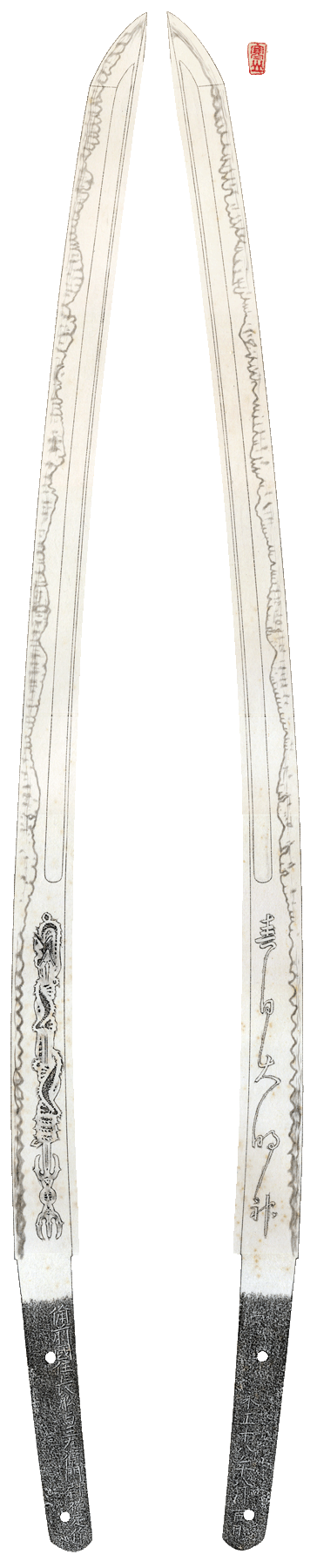
Sukesada Katateuchi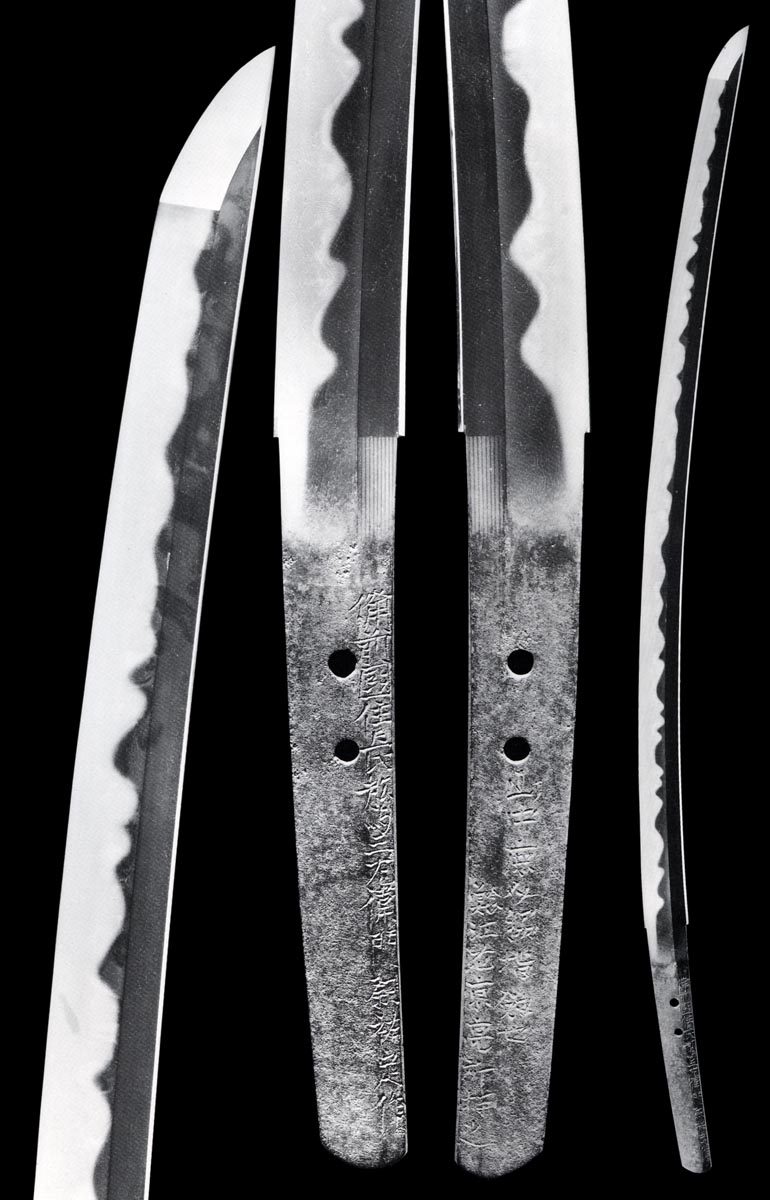 Yosazaemon Sukesada Katateuchi 64.2cm Sori: 2.1cm Shinogi-tsukuri, Ihori-mune, wide, strong Katateuchi Sugata with broad, elongated Kissaki. Itame hada has JiNie. Yosa's Exuberant O-Gunome is unrestrained in this special order piece. Johan and Kahan are the same wildly waving and dynamic rises reaching the Shinogi and exploding across the upper. Ubu Haagari Kurijiri Bizen Nakago has two Mekugi-ana. Bizen-no-Kuni Ju Osafune Yosazaemon-no-Jo Sukesada Saku Yamanaka Rokusuke Wakishi Tsurugi-Ya Namazu Goza Kyo Ryo |
Kasuga
Yosazaemon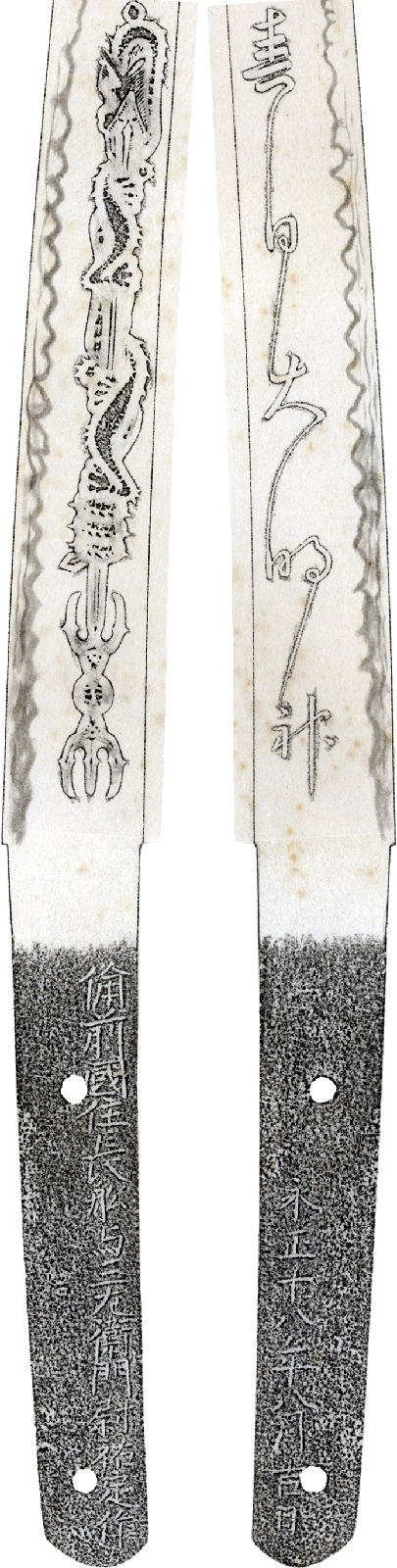
|
 |
|
GENBEI SUKESADA |
| |
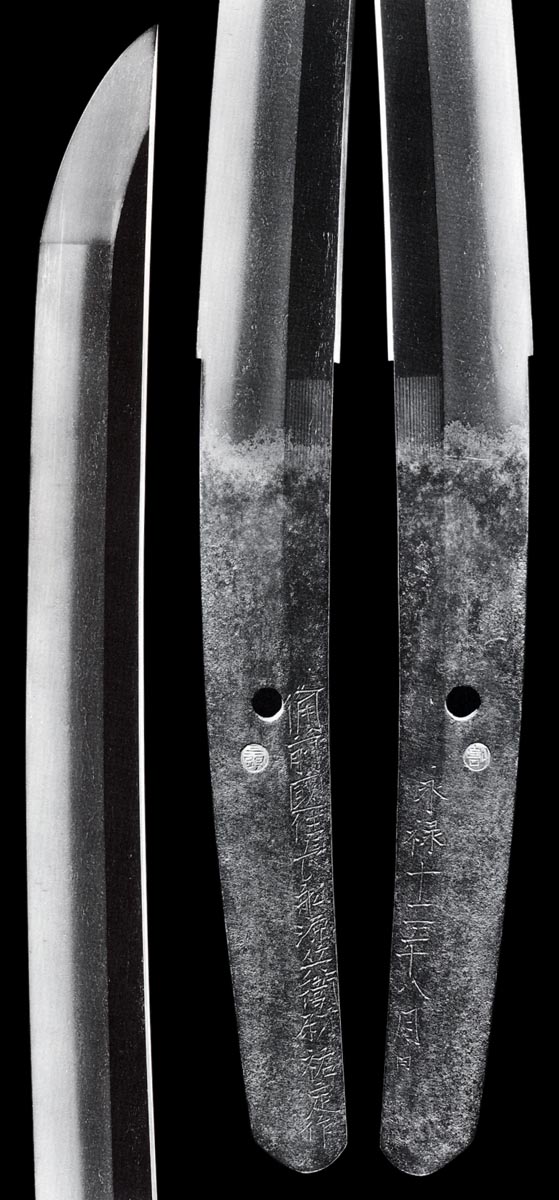 Genbei Sukesada Katana Nagasa: 71.6cm Sori: 2.7cm Shinogi-tsukuri, Ihori-mune of wide blade, Niku and raised ridge, Shinogi-taka with thin Mune-kasane. It has an elongated, round Fukura Kissaki. Hiro-Suguha of Ko-Nie. There are Ashi and Yo. Ubu Nakago has two Mekugi-ana, one filled. Signed in the Ji. Bizen-no-Kuni Ju Osafune Genbei-no-Jo Sukesada Saku Ei-Roku Ju-Ninen Hachi GatsuHi - 1569 |
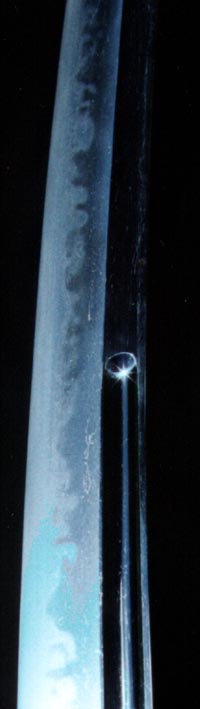
 Sukesada Katana 5 piece construction. Well-knit and intricate Mokume Hada flows up the JI, marking the laminate next to the HA. Utsuri in the Ji. Tall, spiring Kani-Tsume "Crab-claw" Gunome Choji shows smoke Utsuri. Koshi-Hiraki wide-valleys in NIOI. Ubu, two Mekugi-ana. Bishu Osafune Sukesada |
Bizen
Sukesada
|
|
 |
  |
|
 |
SUE-BIZENKAGEMORI MEI-O 1492 |
____|____ ____|____ KAGEIYE EI-SHO NAGAMITSU SUKEMITSU GUNOME-MIDARE BA. ____|____ ____|___ BISHU OSAFUNE KAGEIYE NAGAMITSU SUKESADA _________ _______ ____|___ CHIKATADA EI-SHO 1504 KANEIYE SUKESADA ___|_____ EI-SHO 1504 ____|___ YOSHIKAGE TEN-MON 1532 SUKESADA |
|