| © Copyright Robert Cole 2015
- No copying or distributing - BIZEN |


|
|
2nd SUKEFUSA - FUKUOKA ICHIMONJI ________ SUKEFUSA(2) KEN-PO 1213 |_________________________ _______________________ __________ ___|_____ ___|_____ ____|____ | YOSHIFUSA(2) JO-EI 1232 SUKECHIKA RYAKU-NIN SUKETOSHI | ___|_____ ___|____ 1238 RYAKU-NIN 1238 | YOSHIFUSA(3) HO-JI 1247 YUKIHIDE | to BUN-EI 1264 BUN-EI 1264 | _________________________ ____________ __________________ ___| __|_____ ___|____ ___|___ | SUKEZANE KEN-CHO 1249 KORESUKE NORIIYE HO-JI 1247 | | KAMAKURA ICHIMONJI HO-JI 1247 ___|___ | |_______________________ IYEMUNE SHO-GEN 1259 | __|_____ ___|_____ ______________________|____ SUKESADA -BUN-EI 1264- SUKETSUNA YOSHIOKA UMANOSUKE SUKEFUSA |_______________________ KO-AN 1278 __|_____ ___|____ _______ SUKENAGA KA-GEN 1303 SUKETOKI IYEMURA SHO-O 1288 __|_____ EI-NIN 1293 ___|_____ SUKEYASU SHO-WA 1312 YOSHIYUKI KEM-MU 1334 SUKEFUSA(2) KEN-PO: TOZAEMON. Wide mid-KAMAKURA, IKUBI-KISSAKI TACHI. MOKUME with standing UTSURI. NIOI-DEKI O-CHOJI MIDARE BA. This mans' son, UMAnoSUKE SUKEFUSA, became a YOSHIOKA smith. From KO-AN 1278 to TOKU-JI 1306. See YOSHIOKA ICHIMONJI. YOSHIFUSA(2) JO-EI (f: TOZAEMON SUKEFUSA): TOJIRO. Son-in-law of MUNEYOSHI. Work from SHO-KYU 1219. Wide, IKUBI-KISSAKI mid-KAMAKURA FUNBARI TACHI. KO-MOKUME veiled in JI-NIE and vividly clear MIDARE-UTSURI. The height varies for a very lively CHOJI-MIDARE BA in NIOI. HAKIKAKE swept MIDARE BOSHI. TACHI-MEI is large for YOSHIFUSA line. YOSHIFUSA(3) HO-JI (f: YOSHIFUSA 2): KYUGORO. He was son-in-law of YOSHIHIRA. Wide, mid-KAMAKURA IKUBI-KISSAKI, FUNBARI TACHI. His strong KO-MOKUME has JI-NIE and standing MIDARE-UTSURI. KO-NIE and NIOI-DEKI OBUSA and KAWAZU CHOJI-MIDARE BA with ASHI and YO. YOSHIFUSA line is famous for the very lively CHOJI and OBUSA CHOJI YAKIBA patterns associated to the ICHIMONJI. The second YOSHIFUSA is eclipsed by the greater contrast of the third's extravagant pattern against a wafting MIDARE-UTSURI. YOSHIFUSA Note: With this name, the dates swim. The high reaching, mid-KAMAKURA ICHIMONJI CHOJI patterns of KEN-CHO are noted to diminish starting in BUN-EI 1264. Competing sources give dates for TOJIRO as HO-JI and KYUGORO in BUN-EI. This is not a likely starter for KYUGORO. See YOSHIFUSA(1) |
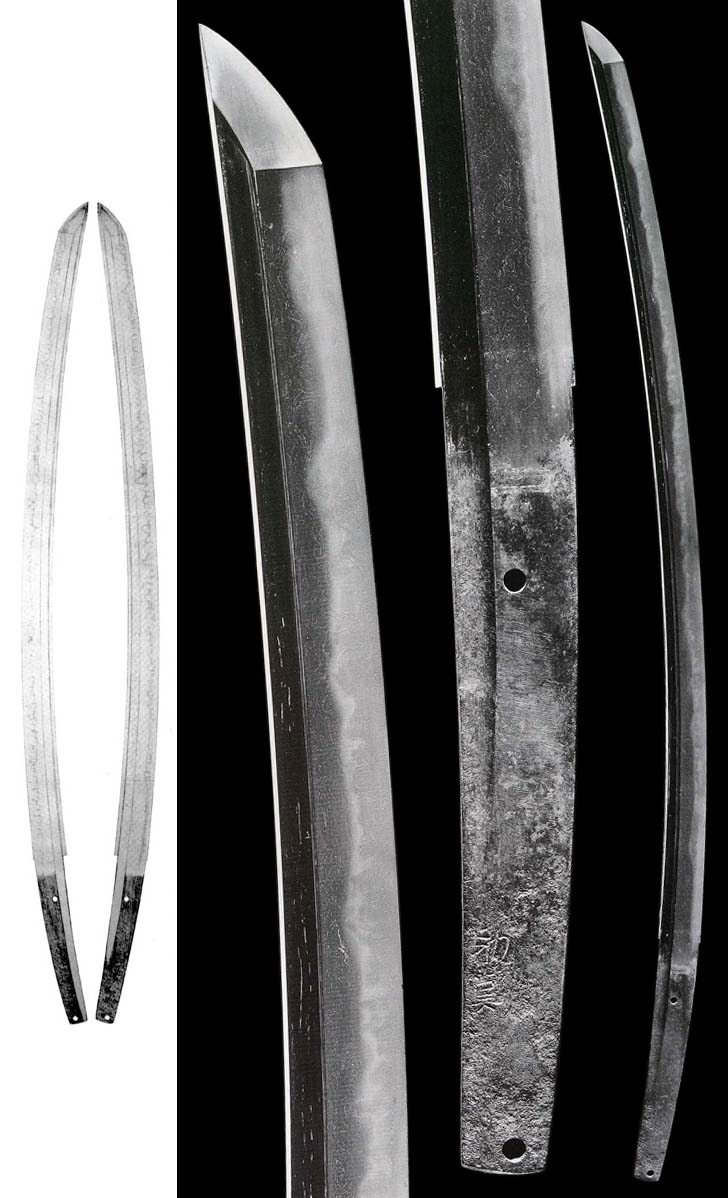
KOKUHO OKADA-GIRI YOSHIFUSA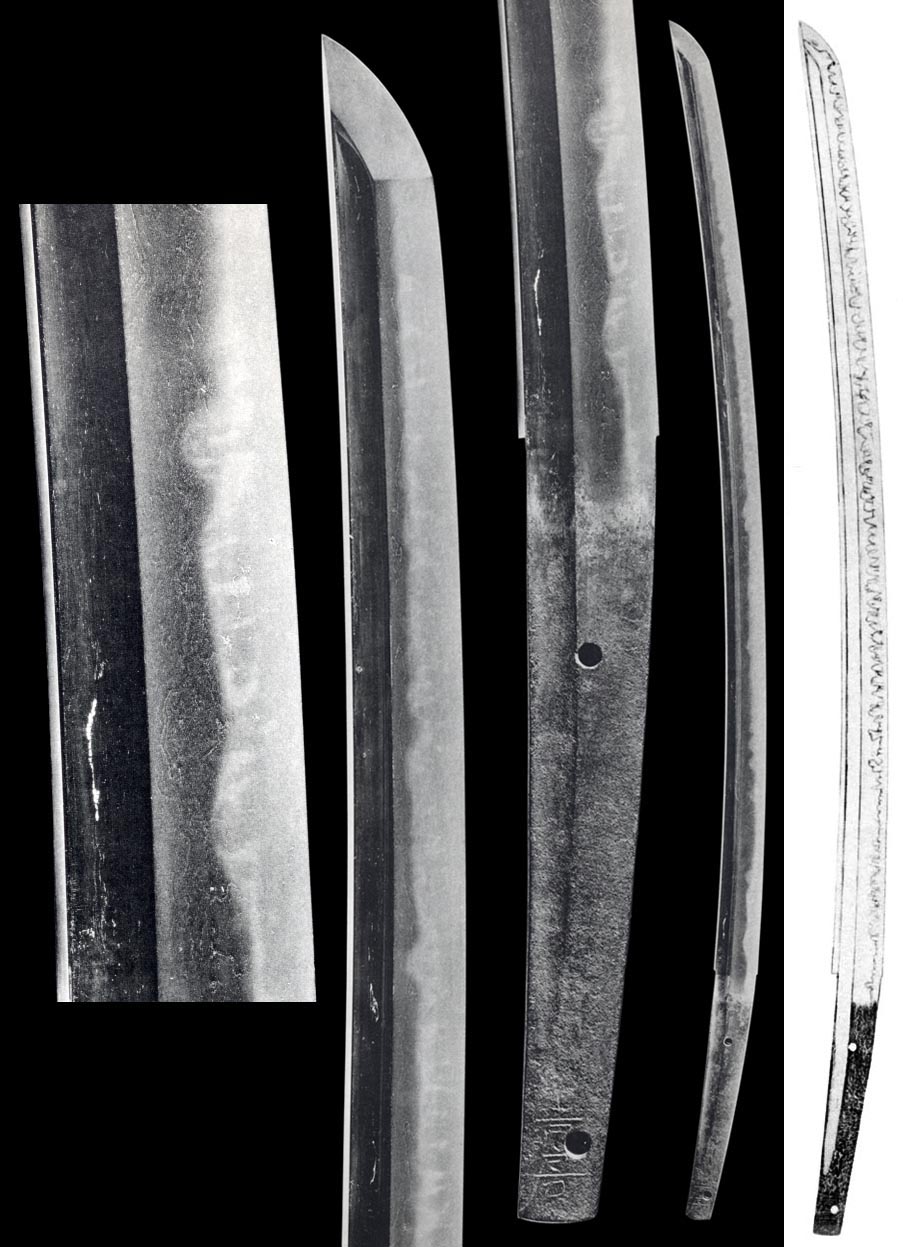
|
Kokuho Yoshifusa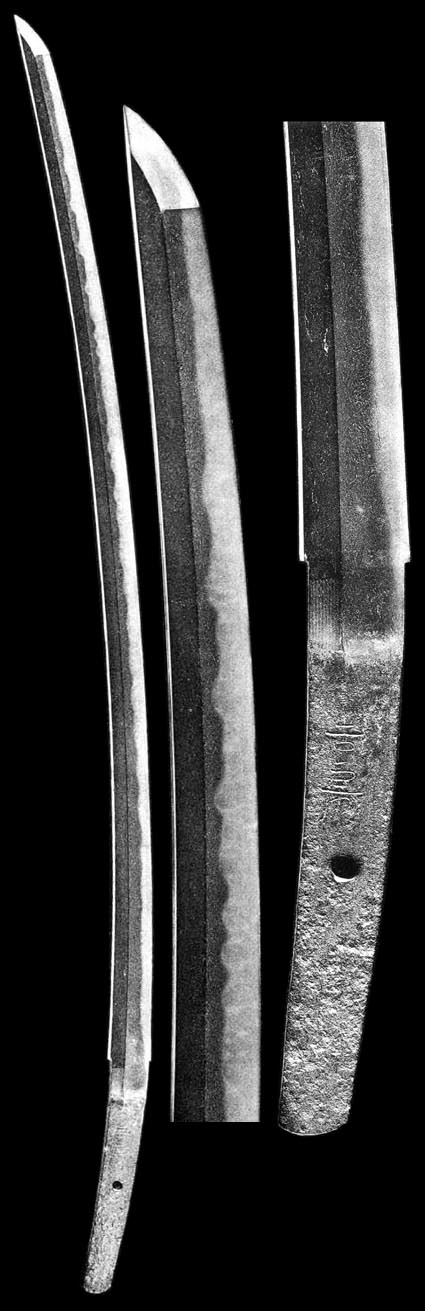
|
Yoshifusa
- Kokuho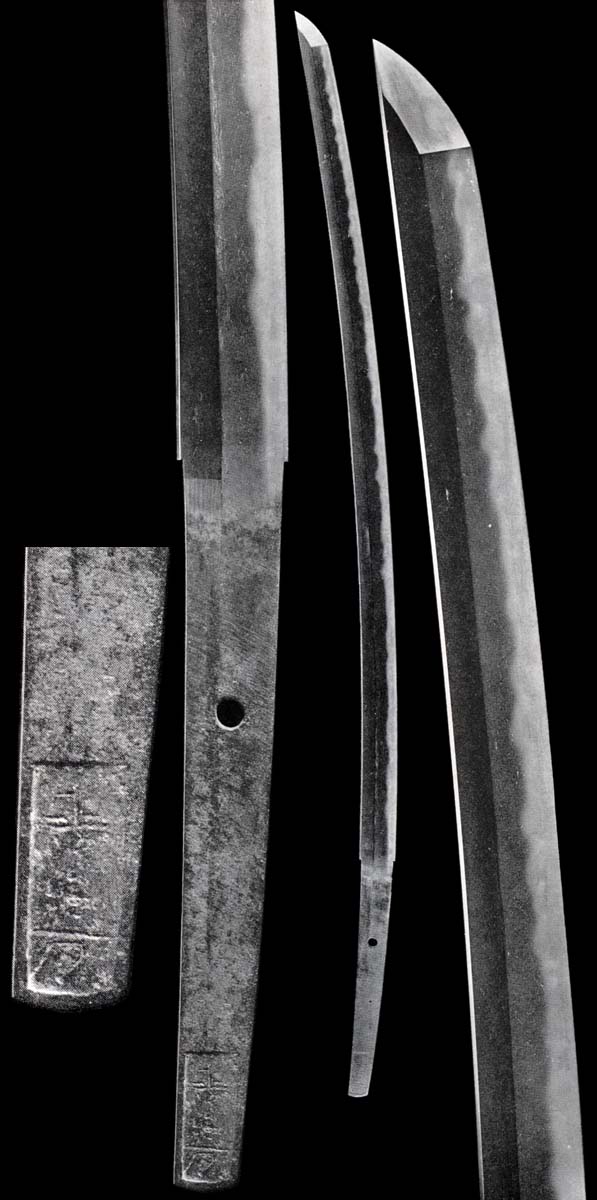 Yoshifusa - Kokuho Nagasa: 60.9cm Moto-Haba: 2.4cm Altered for the Navel mounts of the Taisho Emperor Shinogi-Tsukuri, Ihori-Mune, little curve, Chu-Kissaki. Ko-Itame Hada with Ji-Nie and Midare-Utsuri. Nioi-Fukashi and Ko-Nie Juka Choji-Midare Ba with Ashi and Yo with Sunagashi and Kinsuji. Sugu Kuzure Ba Boshi with Ko-Maru and Hakikake. O-Suriage Kurijiri Nakago has one Mekugi-ana and OrikaeshiMei, framed in the lower. Yoshifusa |
2nd SUKEFUSA School - FUKUOKA BIZEN
YOSHIFUSA(4) KO-AN: Work to SHO-AN 1299. SAKON SABURO. The 4th YOSHIFUSA is marked by a restraintful conservatism of pattern. The MONOUCHI will seem comparatively deserted and the YAKIBA, generally, will be shallower and more hushed. Small MEI is strongly cut. Signature gets gradually larger with time. SUKECHIKA RYAKU-NIN (f: SUKEFUSA): FUKUOKA JU. SUGUHA with ASHI or large cluster CHOJI BA. SUKECHIKA YUKIHIDE BUN-EI (f: SUKECHIKA): There seems to be a large confusion, in common reference, of dates and smith with YUKIHIDE. Rules must be called to any sword. Early KAMAKURA swords: an advancing width in the MONOUCHI above HEIAN SUGATA have KO-NIE have a variation in YAKIBA height Mid-KAMAKURA swords: a full and powerful MONOUCHI with little or no FUNBARI FUKUOKA parades NIOI-DEKI fully expanded patterns disallow fluctuation in height Late KAMAKURA swords: MONOUCHI begins to slim OSAFUNE GUNOME-CHOJI hits w/KAMAKURA and undulation returns FUKUOKA smiths and their pattern get old and die down BUN-EI YUKIHIDE is an even height, CHU-width SAKA CHOJI that reminds of BITCHU AOE, - CHU-AOE. Large MEI above the ANA. YUKIHIDE SUKETOSHI RYAKU-NIN (f: SUKEFUSA): Possibly NORIYORI was father. Work to KEN-CHO 1249 shows in his mid-KAMAKURA SUGATA wide TACHI. KO-MOKUME with MIDARE-UTSURI stands strongly against the dynamic OBUSA CHOJI-MIDARE YAKIBA that varies in height. KORESUKE HO-JI (t: NORIMUNE, f: SUKEFUSA): TOCHIKA SHO-KYU (f: TSUNETO): MOKUME. KO-CHOJI MIDARE BA. NORIIYE HO-JI: SUKEFUSA Son-in-law. Traveled to YAMANOUCHI for the KAMAKURA ICHIMONJI of founding relation, SUKEZANE. IYEMUNE SHO-GEN (f: NORIIYE): ITAME HADA. CHOJI-MIDARE BA. |
2nd SUKEFUSA School
SUKEZANE KEN-CHO (f: SUKEFUSA): TOGENJI. KOREYASU-SHINNO, the 7th KAMAKURA SHOGUN is said to have summoned him, although KOREYASU was three years old in 1266 when he succeeded to the office. SUKEZANE is listed as working in SAGAMI by SHO-GEN 1259 when he founded his KAMAKURA ICHIMONJI in YAMANOUCHI. Wide, mid-KAMAKURA TACHI SUGATA with IKUBI-KISSAKI. ITAME HADA has JI-NIE and CHOJI-UTSURI that rises so strongly it appears to take in the steel like YUBASHIRI, and also forms KO-NIE throughout the HABUCHI area, or JI-BA area. Look for CHIKEI. KO-NIE and NIOI-FUKASHI OBUSA CHOJI with ASHI and YO rise and fall with high and low swells that are marked of KAWAZU CHOJI and TOGARI points. KINSUJI and SUNAGASHI run through. MIDARE-KOMI or SUGU BOSHI finds a HAKIKAKE swept TOGARI or small KO-MARU with short KAERI. Early work: Large MEI, later, small. Said to have used a later signature: TAMETOKI. See SAGAMI |
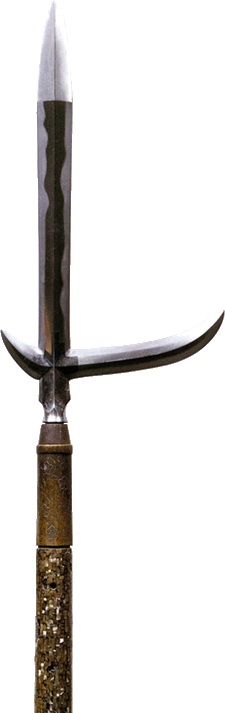 Yari of Kato Kiyomasa See Zenjo Kaneshige |
|
|
|
Kokuho
Sukezane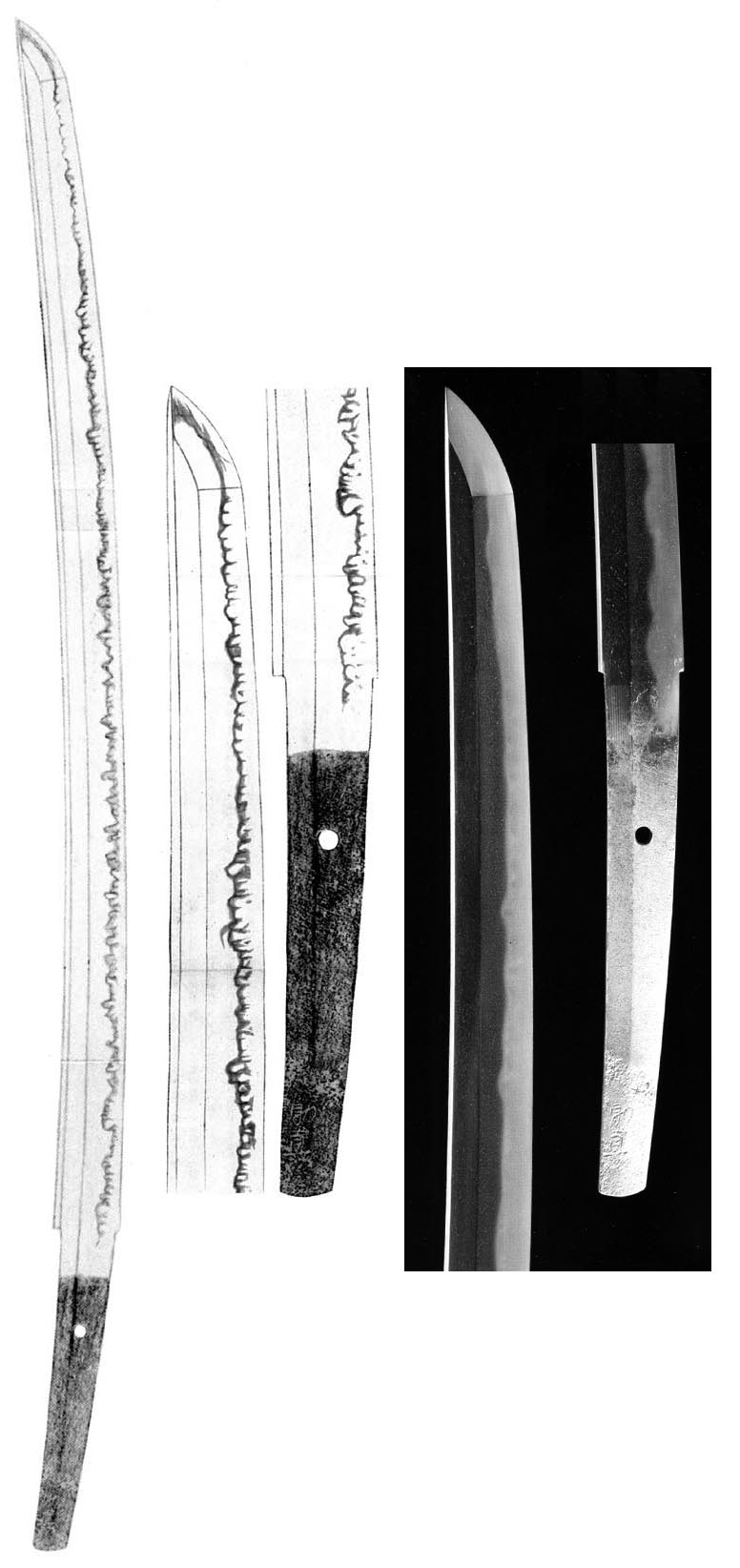 KOKUHO SUKEZANE NAGASA: 67.0cm SORI: 1.8cm SHINOGI-TSUKURI, IHORI-MUNE, KOSHIZORI mid-KAMAKURA SURIAGE TACHI. Wide- bodied with IKUBI-KISSAKI. ITAME HADA shows JI-NIE on a bright steel. Deep NIOI and KO-NIE O-CHOJI MIDARE BA has ASHI and YO KO-CHOJI, KO-GUNOME figures squeezed into high-rising DAIBO. There is "Fist" clustering. BOSHI is CHU-width and Sweeps KINSUJI and HAKIKAKE onto a small KO-MARU. Cleanly-formed O-SURIAGE, one MEKUGI-ANA NAKAGO has lost its original hole. His signature resides at the bottom: Sukezane |
Sukezane
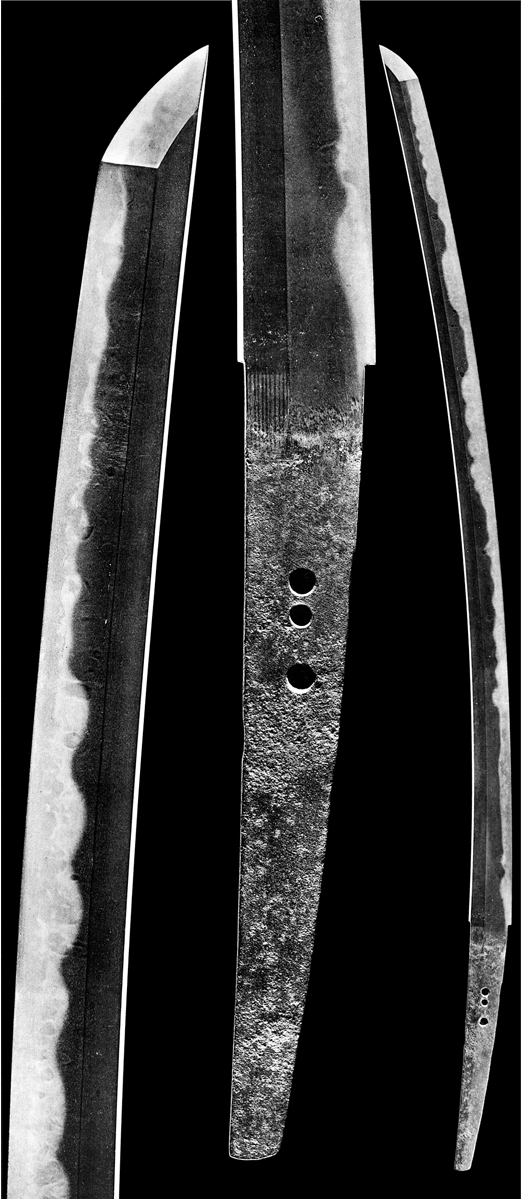
- Kokuho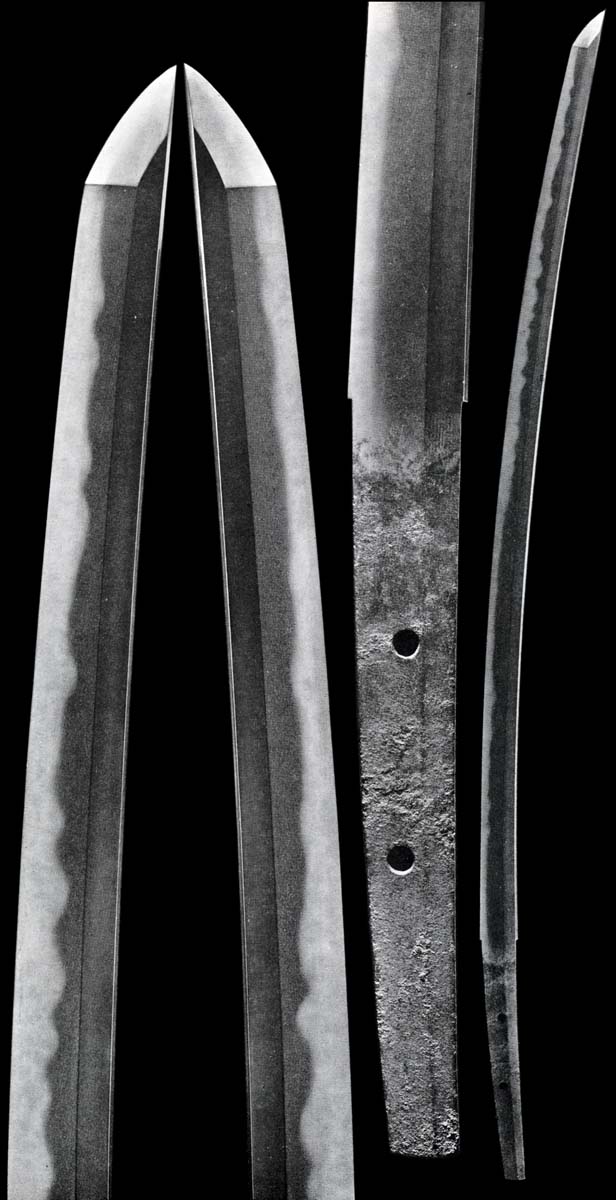 Sukezane - Kokuho Nagasa: 65.6cm Moto-Haba: 3cm Shinogi-Tsukuri, Ihori-Mune, deeply curved, Chu-Kissaki. Ko-Itame Hada with Ji-Nie and Midare-Utsuri. The upper is a billowing Notare of clear Nioi-Fukashi and Ko-Nie Juka Choji-Midare Ba that hold grouped Daibo with Ashi and Yo. The lower is a restrained Asaki-Notare of Choji-Midare Ba. Sunagashi and Kinsuji brush figures. Ura Boshi is Chu-Sugu Ko-Maru while Omote has Midare-Komi to Yakizume. O-Suriage Kurijiri Nakago has two Mekugi-ana. |
Sukezane
- Kokuho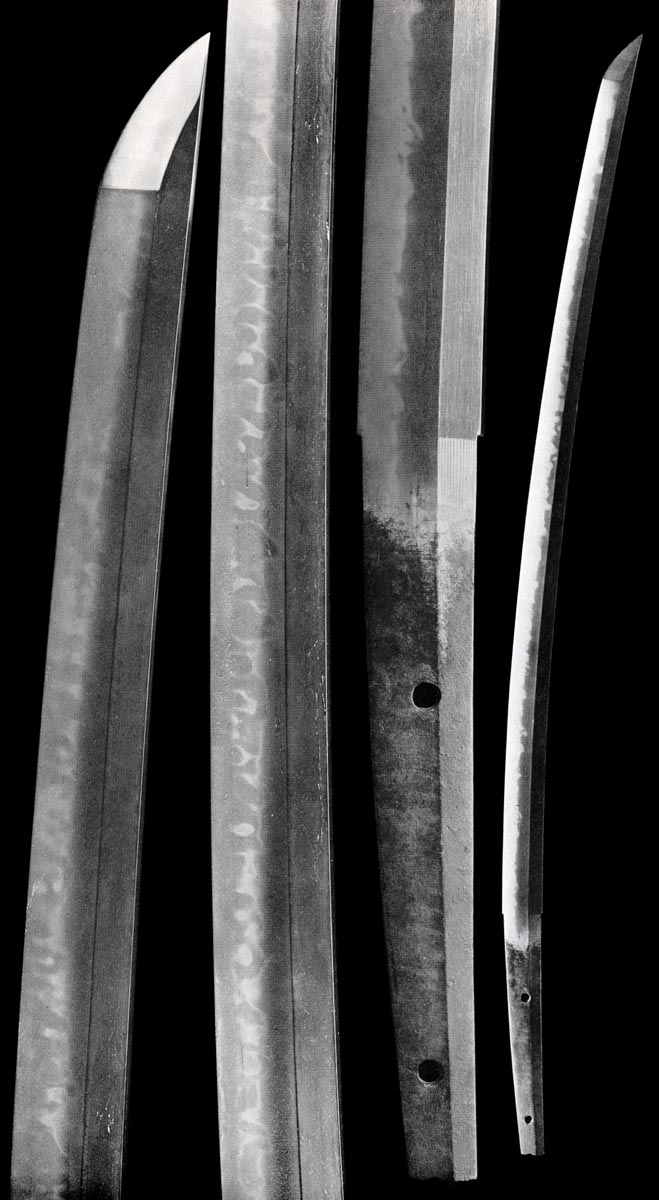 Sukezane - Kokuho Nagasa: 65.6cm Moto-Haba: 3cm Shinogi-tsukuri, Ihori-Mune, elongated Chu-Kissaki, mid-Kamakura Sugata with Hira-Niku. Ko-Itame Hada has Ji-Nie and Midare-Utsuri. Clear Nioi-Fukashi O-Choji-Midare Ba of high Daibo stands. Ashi and Yo dress figures while Sunagashi and Kinsuji brush through. Midare-Komi Boshi is high-standing and resolves in Yakizume. O-Suriage Kirijiri Nakago has two Mekugi-ana. |
Ichimonji
- Kokuho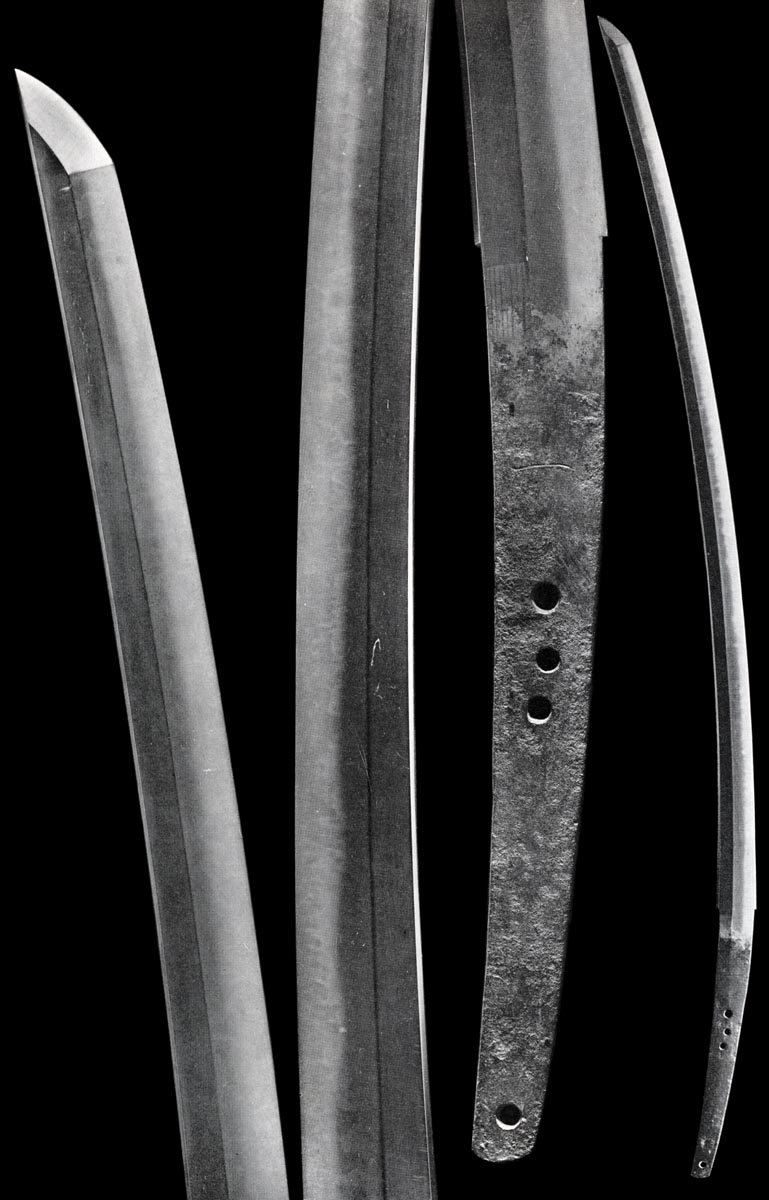 Ichimonji - Kokuho Nagasa: 71.7cm Moto-Haba: 3cm Shinogi-tsukuri, Ihori-mune, Koshizori Funbari Tachi Chu-Kissaki. Ko-Itame Hada has standing Midare-Utsuri. Nioi-Fukashi O-Choji Midare Ba with Ashi and Yo. Daibo and Juka Choji reach to the Shinogi. Boshi is Henka and full. Ubu, slightly Haagari Kurijiri nakago has four Mekugi-ana. Signed with a flourish in the mid, across the Shinogi. Ichi |
|
Okudaira
Ichimonji
~Sword of Okudaira Nobumasa~
|
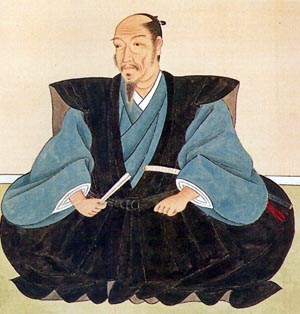
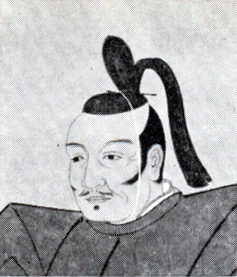
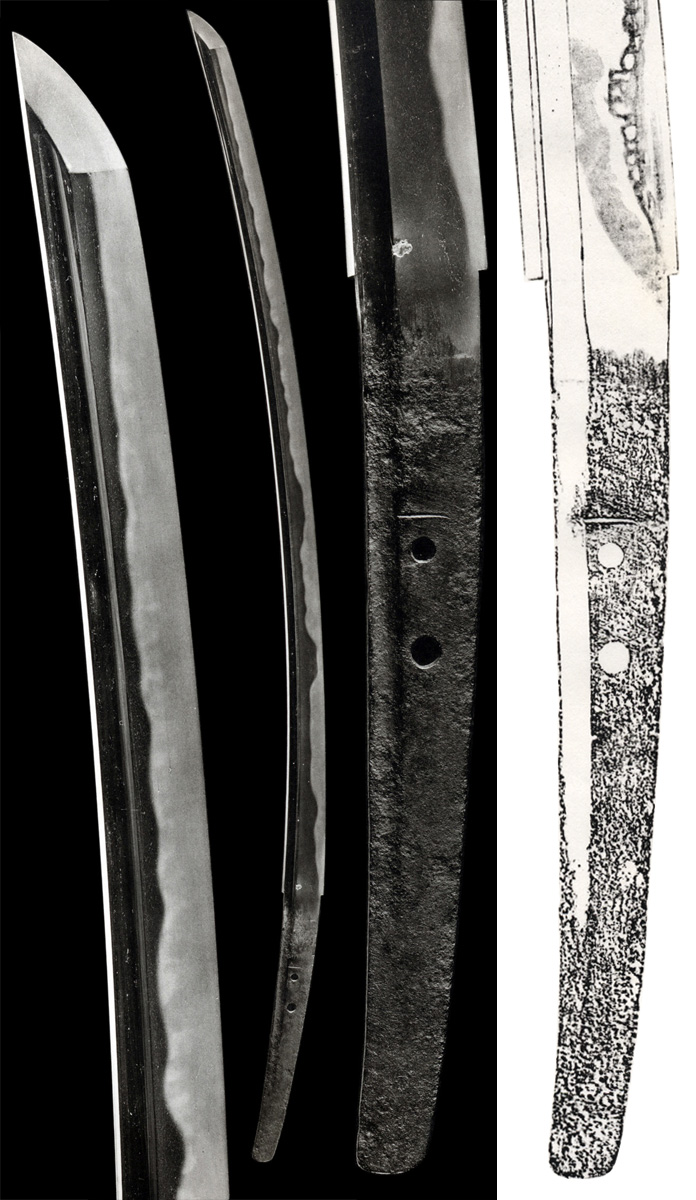 Okudaira Ichimonji Nagasa: 2 Shaku 3 Sun 4 Bu (70.9cm) Sori: 1 Sun (3.03cm) Moto-haba: 1 Sun 5 Rin (3.18cm) Saki-haba: 7 Bu 4 Rin (2.24cm) Kissaki-naga: 1 Sun 2 Bu (3.64cm) Moto-kasane: 2 Bu 7 Rin (0.83) Saki-kasane: 1 Bu 9 Rin (0.58) Nakago: 7 Sun 1 Bu (21.51cm) Nobumasa left the Takeda for the camp of Iyeyasu, the year Shingen died. In revenge Katsuyori put his wife to death. But Iyeyasu gave him his daughter, and later gave their son a new name, "Matsudaira". Shinogi-tsukuri, Ihori-mune, Koshizori Funbari Tachi with Sakizori to Ikubi-Kissaki. Full-length Bo-hi. Defined and tight Ko-Itame Hada has JiNie and standing Utsuri. The generally high-standing O-Choji Midare allows some gentle valleys in the mid. Tobi-yaki and Yo play hide-and-seek in the heads. Ashi pulls definition to deep Nioi-Fukashi and Nie in a clear Nioi-guchi. Nie becomes Hakikake as the deep Boshi turns Yakizumi at the Ko-shinogi. Nakago is a little Ha-agari Kurijiri and the Nakago-mune has a little Niku. Two Mekugi-ana and trademark signature: "Ichi" is gently stylized and in the middle - a sign of of times (following after the Ko-Ichimonji). |
|
 |
2nd SUKEFUSA School

SUKETSUNA BUN-EI (f: SUKEZANE): KAMAKURA ICHIMONJI. TOGENJI. Wide
        mid-KAMAKURA SUGATA are seen. JI-NIE and CHIKEI in ITAME has
        strong UTSURI. JI-BA stands in OBUSA CHOJI-MIDARE with ASHI and
        YO in NIE. He followed his teacher to SOSHU for the
        "KAMAKURA ICHIMONJI."
        GEN-KYO 1321 SUKETSUNA finds reserve: SUGUHA with ASHI trend
        mixes styles. See SAGAMI
|
|
BUNKAZAI SUKETSUNA 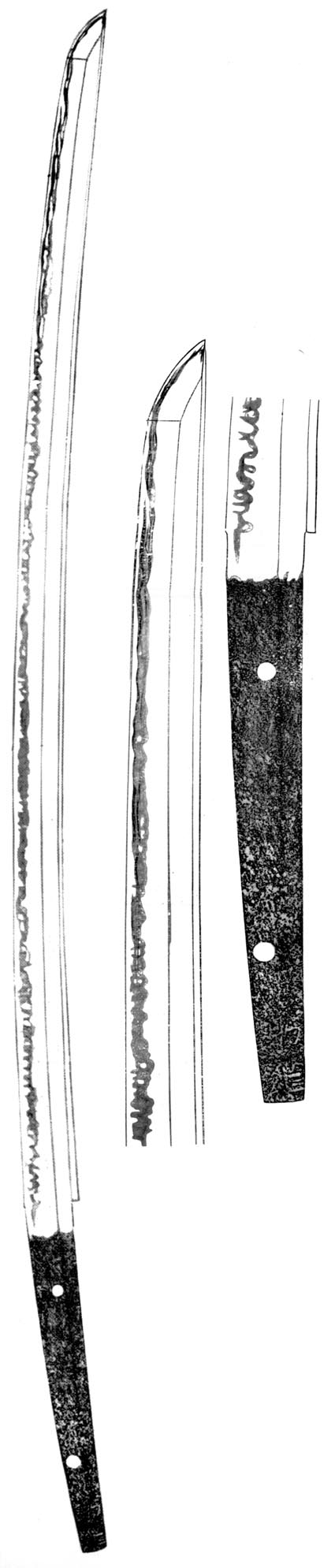 BUNKAZAI SUKETSUNA NAGASA: 74.5cm SORI: 1.97cm This sword had been JUYO BIJUTSU-HIN,"JU-BI" and was awarded BUNKAZAI when the former distinction was changed following WWII. A beautiful URA-MEI TACHI in the style of his teacher, SUKEZANE. It was made SURIAGE in the time HIDEYOSHI. Old-style small "Twin Flowers" SAKA-GUNOME and CHOJI figures are strafed with KINSUJI and SUNAGASHI. BOSHI is HOSO Swept KINSUJI to a slight KAERI at the SAKI. Two MEKUGI-ANA O-SURIAGE NAKAGO is signed along the MUNE at the very bottom.
|
2nd SUKEFUSA School
SUKESADA BUN-EI (t: SUKEZANE): TOGENJI. Also signed: NORISADA. Reference describes pieces from EI-NIN 1293 to TOKU-JI 1306. Early: Wide style TACHI, later: late-KAMAKURA gentle FUNBARI upper. ITAME has JI-NIE and UTSURI. KO-NIE CHOJI-MIDARE. Fancy OBUSA ICHIMONJI HAMON falls from style toward the late-KAMAKURA transition when sedate SUGUHA with ASHI or SUGU CHOJI BA debuts. Small, two-character MEI. SUKETOKI EI-NIN (t: SUKESADA): Moved to YAMANOUCHI in KA-GEN 1303. SUKENAGA KA-GEN (t: SUKESADA): SUKEYASU SHO-WA (f: SUKENAGA): In BIZEN and SAGAMI. YOSHIYUKI KEM-MU (f: IYEMURA): Learned his craft from the SOSHU YAMANOUCHI SUKEZANE Group. MOKUME. KO-CHOJI MIDARE BA. |
|