|
|
|
|
Youngest of six brothers and swordsmith to the Emperor in exile on OKI Island. He founded SOSHU DEN. Famous for KOSHIBA. KEN-CHO 1249 in SAGAMI ____________________ AWATAGUCHI KUNITSUNA KEN-PO 1213 to KO-CHO 1261 - See SAGAMI |______________________ ____________________ _______________|____ ______________|____ _____________|____ YAMANOUCHI KUNIMITSU YAMANOUCHI SANEKUNI AWATAGUCHI ARIKUNI HO-JI 1247 SHO-GEN 1259 KA-TEI 1235 |
KUNITSUNA KEN-CHO (f: KUNIIYE): 6th son. TOROKU. TOROKU SAKON. OKI GOBAN KAJI - 5th and 6th month. Known as OKI GOBAN YOSHIAKI. As a smith to GOTOBA-TENNO, he received the SAKON SHOGEN title which allowed legal access to the Imperial precincts and attendance before the Emperor. Born: 1163, Died: 1255. His work from KEN-PO 1213 to KO-CHO 1261 comprises an early YAMASHIRO period and the later SOSHU period. He was called to KAMAKURA by HOJO TOKIYORI and found the SHINTOGO group in SAGAMI, KEN-CHO 1249. Other dates find a beginning at KEN-N 1201 and his death in KEN-CHO. YAMANOUCHI JU. His SHINTOGO eclipsed the BIZEN import of the KAMAKURA ICHIMONJI - SUKEZANE School and SABURO KUNIMUNE to be considered the originator of SOSHU DEN stylists. SHINTOGO KUNIMITSU, YUKIMITSU and NYUDO GORO MASAMUNE following directly. -Early YAMASHIRO period: Narrow, KO-KISSAKI TACHI. The whole JI is wet with JI-NIE. KO-NIE KO-MIDARE BA very much in the style of HISAKUNI. -Later SOSHU period: Wide MONOUCHI KAMAKURA style with CHU-KISSAKI. ITAME HADA stands. Wide MIDARE BA of strong NIE. O-CHOJI MIDARE with wide spreading bays or valleys. KOSHIBA can be large standing. KINSUJI and INAZUMA find SUNAGASHI. NIE BOSHI is KO-MARU. MARU-MUNE NAKAGO has little NIKU and resolves to KURIJIRI. Smallish two- character MEI. See ONIMARU KUNITSUNA next page. KUNITSUNA TOROKU SAKON KUNITSUNA YAMANOUCHI JU FUJIWARA KUNITSUNA KAMAKURA JU TOROKU SAKON KUNITSUNA KUNIMITSU HO-JI (f: KUNITSUNA): This name is recorded in SAGAMI as a member of the SHINTOGO but is neither AWATAGUCHI KUNIMITSU nor his son, SHINTOGO. See SAGAMI |
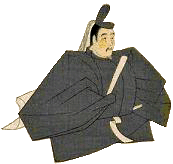
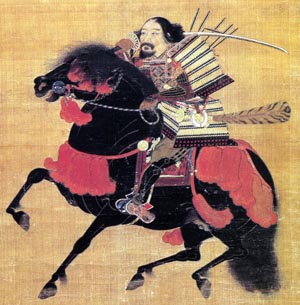
A sword of HOJO TOKIYORI, the fifth KAMAKURA SHIKKEN, who excised the plotting FUJIWARA from the SHOGUNATE. When the young SHOGUN, MINAMOTO SANETOMO, the last of his line, was assassinated in SHO-KYU 1219, his mother, AMA SHOGUN MASAKO and uncle, HOJO YOSHITOKI found two year old FUJIWARA YOSHITSUNE with a line through women to MINAMOTO blood. He would be raised under her Regency to become SHOGUN, his son would follow. His unending designs through adulthood against the HOJO forced great-grandson, HOJO TOKIYORI to replace them with MUNETAKA-SHINNO, first of the Imperial Princes KEN-CHO 4 (1252). A mysterious illness came over TOKIYORI which seemed without cause. With the situation dire and seeing a hiding poltergeist conspiring from within TOKIYORI's ONI-GATA "Devil-shaped" HIBACHI brazier, this KUNITSUNA sword leaped from its scabbard to cut the offending HIBACHI with one stroke. The SHIKKEN's pall was immediately lifted, and the sword has ever since been called the ONIMARU in reward of its vigilance. Its MONOUCHI still wears a battle scar from the incident. Handed down through the MUROMACHI SHOGUNAL Family, it was posited among HIDEYOSHI's TENKA GOKEN and kept in the custody of the HONAMI throughout the EDO Period. The piece was presented to Emperor MEIJI and is today an Imperial Property. |
YAMASHIRO AWATAGUCHI - ONIMARU KUNITSUNA
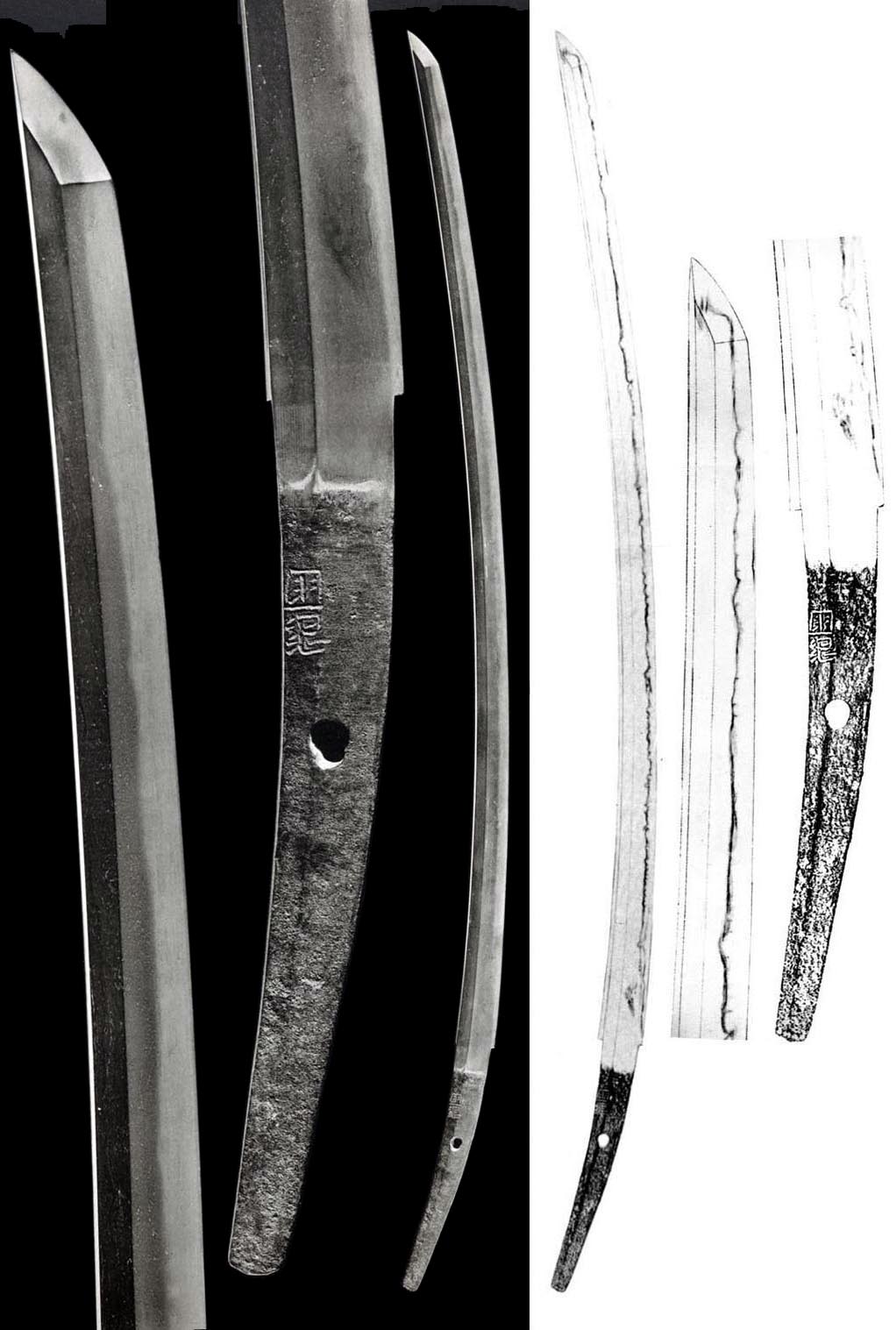 |
"The Five Great Swords" GYO-BUTSU ONIMARU KUNITSUNA Imperial Property NAGASA: 2 SHAKU 5.8 SUN MOTO-HABA: 9.5 BU SORI: 1 SUN SAKI-HABA: 6.5 BU NAKAGO: 6.4 SUN SHINOGI-TSUKURI, IHORI-MUNE, RIN-SORI wide, circularly curved, KAMAKURA style TACHI. Width runs the MONOUCHI to an upward slanting YOKOTE that seems to exemplify the deep arc and mute its pronounced FUNBARI. The most famous example of his SOSHU period work, the evenly CHU-width HAMON rides a wide, strong blade. Gotoba & the ICHIMONJI Gotoba & the Power Play |
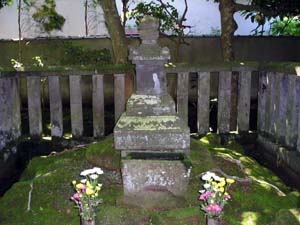 Hojo Tokiyori |
|
Kunitsuna
- Kokuho 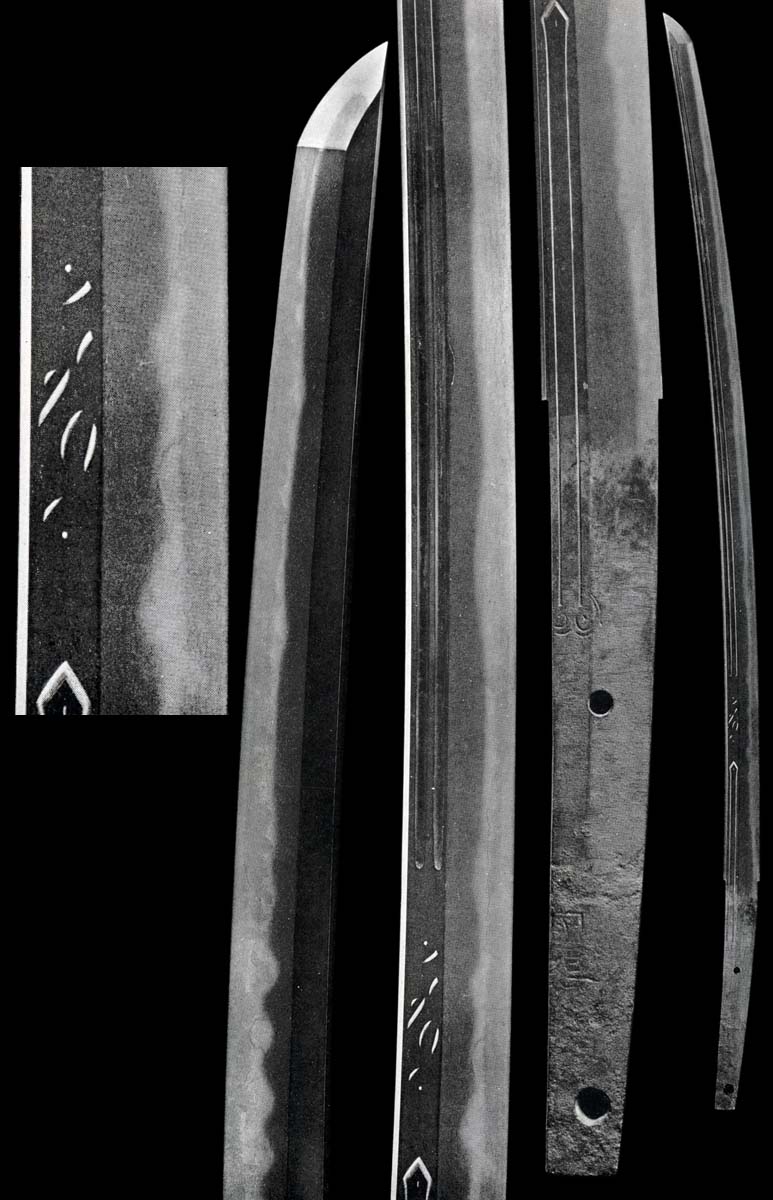 Kunitsuna - Kokuho Nagasa: 69.4cm Moto-Haba: 2.8cm Shinogi-Tsukuri, Ihori-Mune, little Sori, Chu-Kissaki. Omote: Futatsu Bi through the upper, Bonji and Suken in lower, with Tsume Claw in Nakago. Itame Hada has Ji-Nie. Nioi-Fukashi Choji-Midare Ba where Nie becomes stronger in the lower. Inazuma and Kinsuji mix with Sunagashi through figures. Omote Boshi is Notare-Komi, Ura has Ko-Maru. Hakikake with long fall Kaeri Suriage Nakago has two Mekugi-ana. Signed in the Ji. Kunitsuna |
Kunitsuna
- Kokuho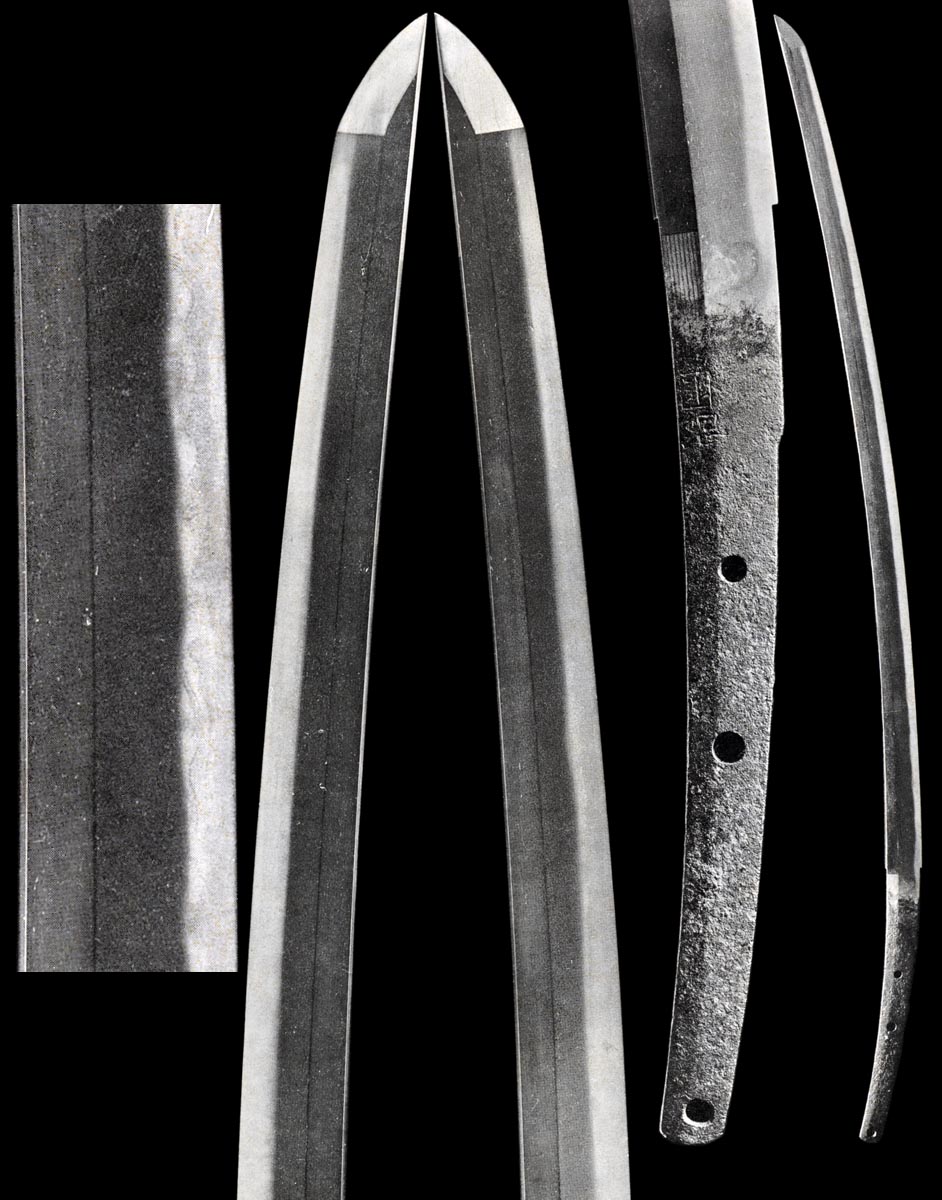 Kunitsuna - Kokuho Nagasa: 65cm Moto-Haba: 2.7cm Shinogi-Tsukuri, Ihori-Mune, Koshizori Itame Hada has Ji-Nie and Midare-Utsuri. Chu-Sugu Ko-Midare Ba of Nie and Nioi-Fukashi with Kinsuji and Sunagashi that pulls Nijuba through the Habuchi. Sugu Nie-Kuzure Ko-Maru Kaeri. Ubu Kijimomo Nakago has three Mekugi-ana. Signed in the upper Ji. Kunitsuna |
Ii
Kunitsuna - Kokuho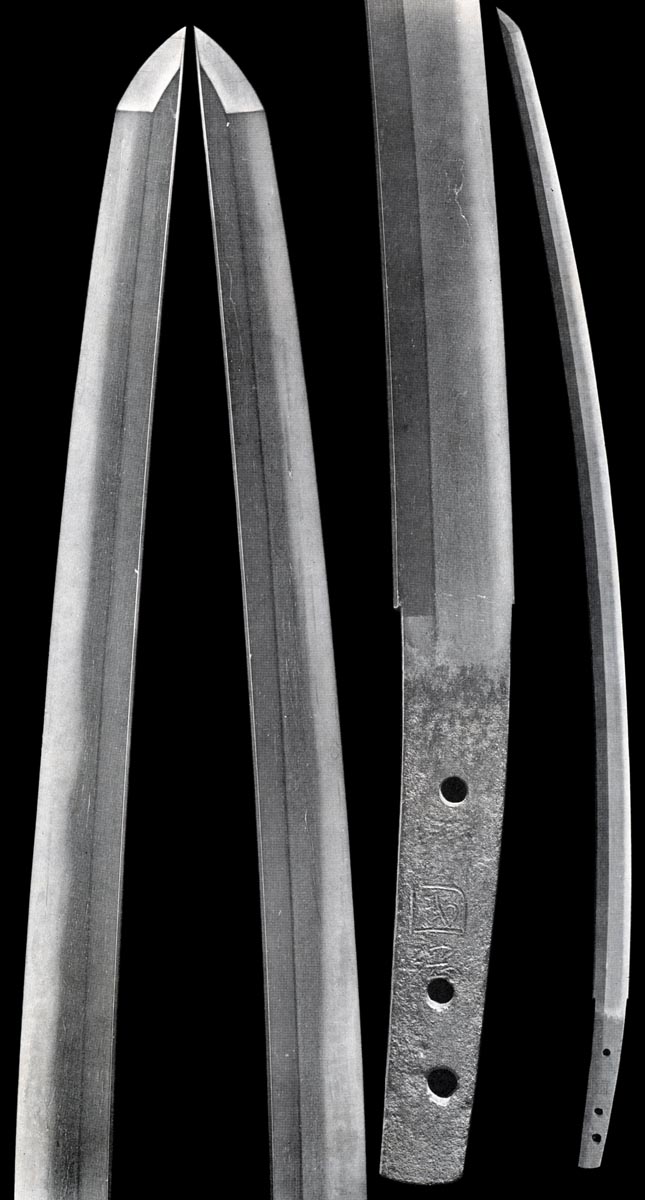 Kunitsuna - Kokuho Nagasa: 79.8cm Moto-Haba: 2.7cm Shinogi-Tsukuri, Ihori-Mune, Koshizori Tachi with Ko-Kissaki. Itame Hada with Masame in the upper has thin Ji-Nie. Asaki-Notare with Choji-Midare, Kawazoko Choji Ba of Nioi-Fukashi and Ko-Nie, with densely laid Ashi, Sunagashi and Kinsuji running through. The Hamon restrains through the upper. Notare-Komi, Nie-Deki Boshi has Ko-Maru. Suriage Kurijiri Nakago has three Mekugi-ana. Kunitsuna |
Awataguchi
Kunimitsu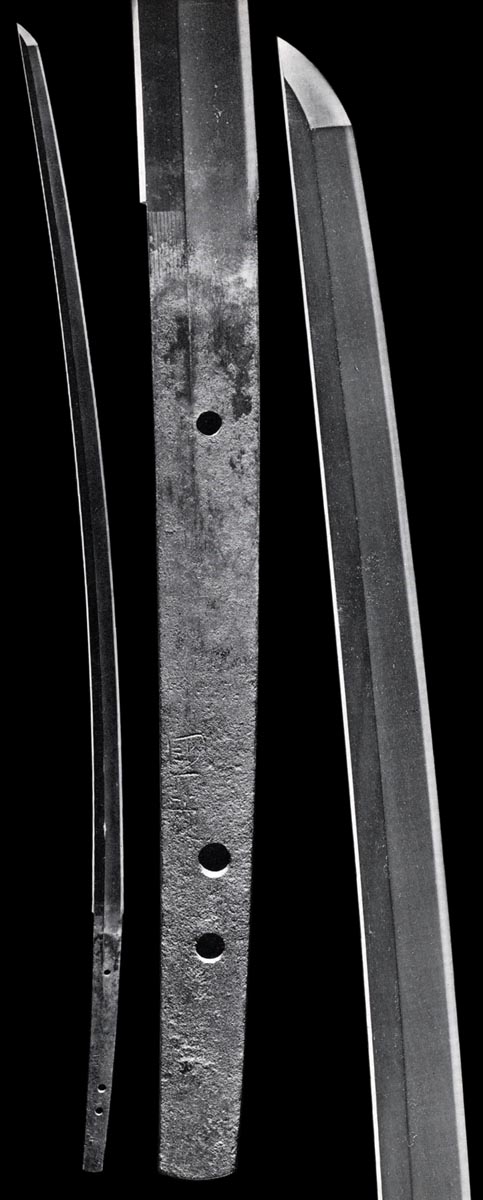 Awataguchi Kunimitsu Nagasa: 80.3cm Shinogi-Tsukuri Ikubi-Kissaki style Tachi Tightly knit Itame Hada has Ji-Nie and Chikei. Hoso-Suguha. Suriage Nakakgo is Kurijiri and has three Mekugi-ana. Kunimitsu |
|